Theatre Educator Professional Portfolio
Lymari Alberts’ Theatre Educator Professional Portfolio- showcasing over a her contribution to performing arts education in Hong Kong.
Education Philosophy
I believe theatre education is most potent when it lives at the intersection of rigorous inquiry, radical inclusivity, and authentic practice. My teaching is grounded in the conviction that every student, regardless of age, ability, or background, deserves to find their voice through storytelling and to see themselves as capable creators and critical thinkers.
bold Arts programme transformation
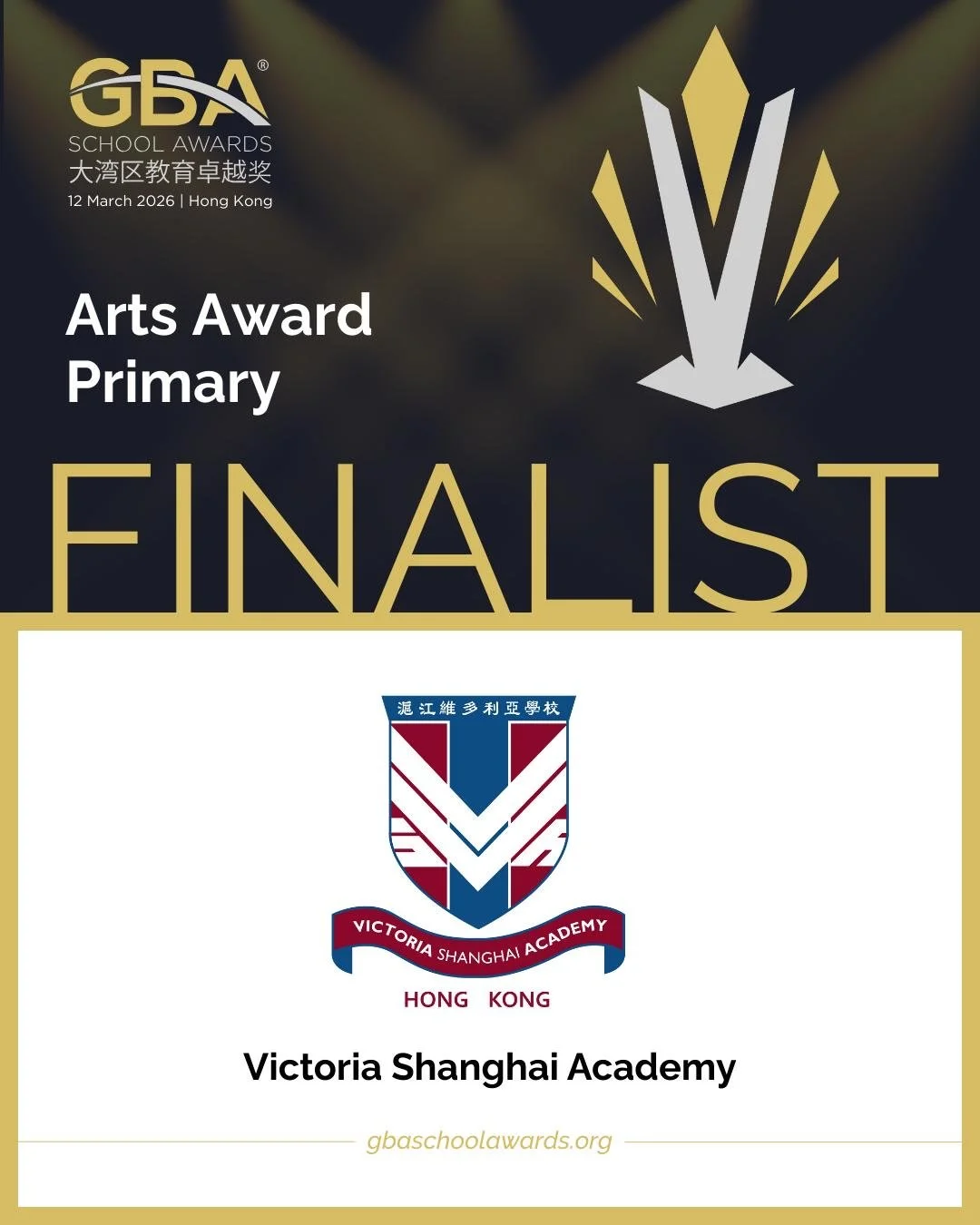
“Thank you for your application to the GBA School Awards. We received over 125 applications across all the different categories from more than 64 schools and organizations.”
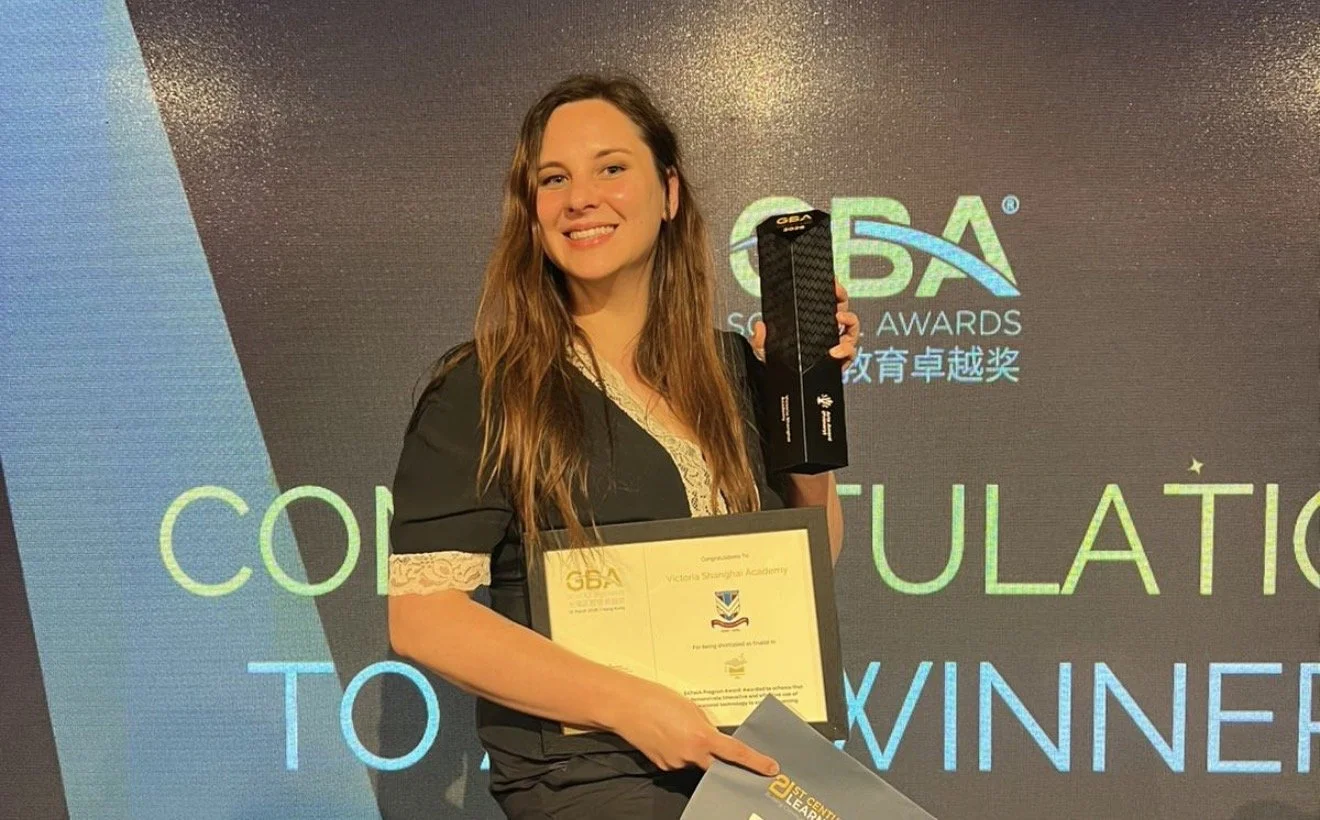
WE WON! 🏆 So incredibly proud to announce that Victoria Shanghai Academy’s Primary Arts Department has taken home the Primary Arts Award at the 21st Century Learning‘s GBA (Greater Bay Area) School Awards 2026!
Spearheading this application alongside our amazing marketing team was indeed a rewarding experience. This win is a testament to our talented Primary Arts team and our commitment to giving every student a voice.
And a HUGE congratulations to our T.I team that walks away with the Judges Choice EdTech Award! It just so happens to be my absolute favourite department outside of my own to collab with. ❤️
#gosharks!
Collaborative Innovation at VSA
Since joining VSA, I’ve taken deliberate action for the transformation of the Primary Performing Arts department through strategic, cross-disciplinary collaboration. Some of the initiatives now central to our programme didn’t exist three years ago, and my colleagues and I worked intentionally to build them.
Technology & Innovation
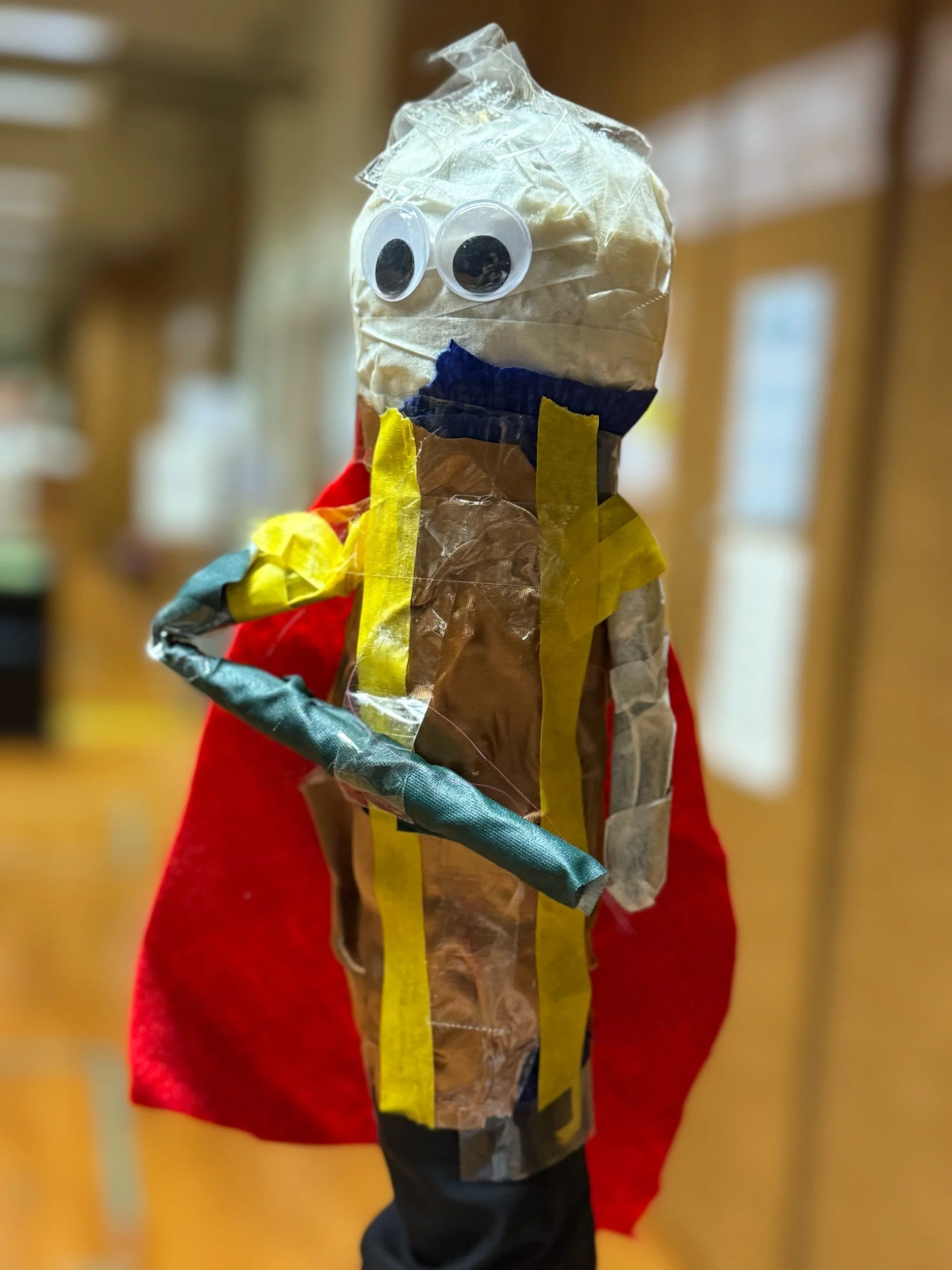
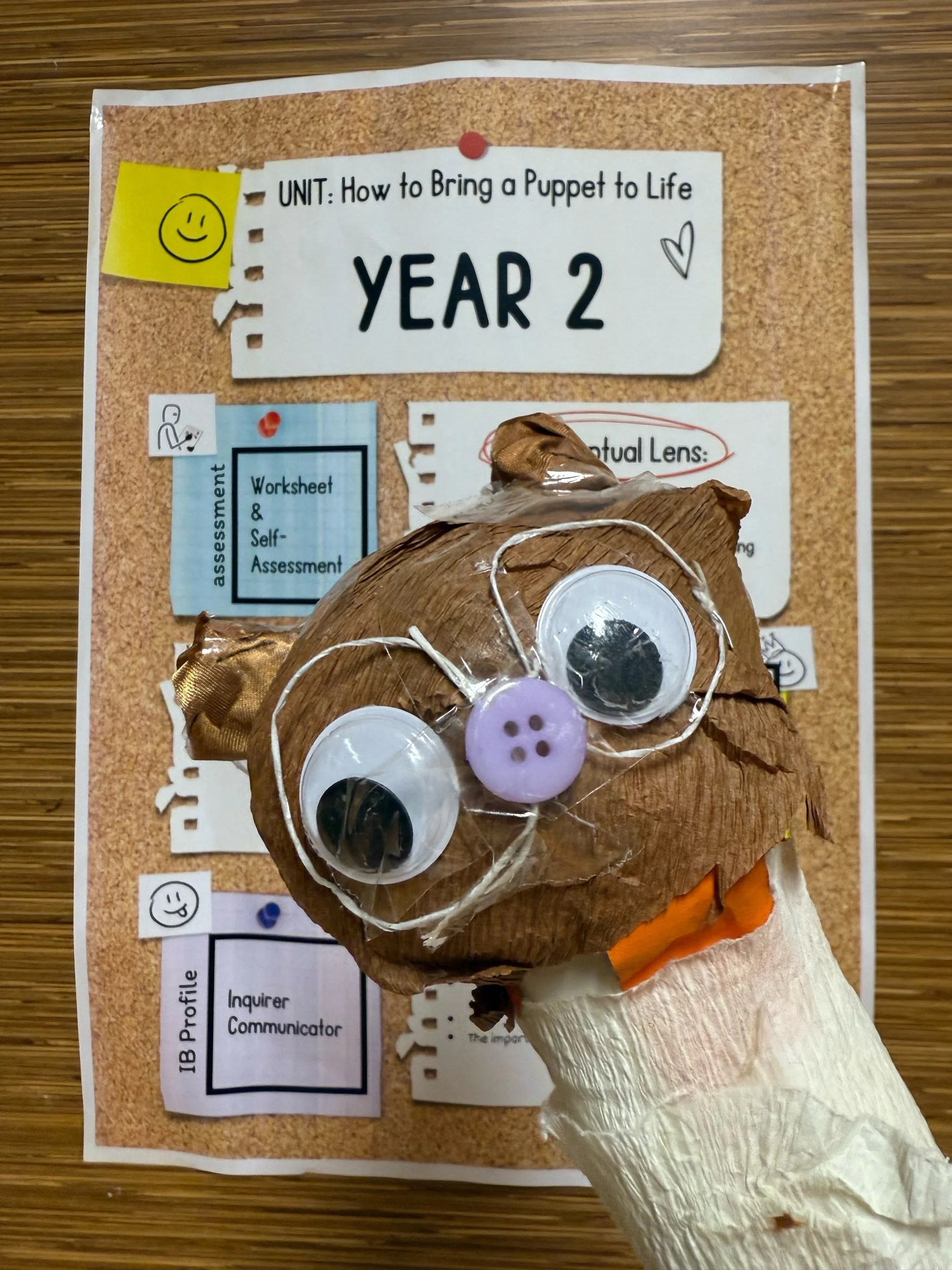
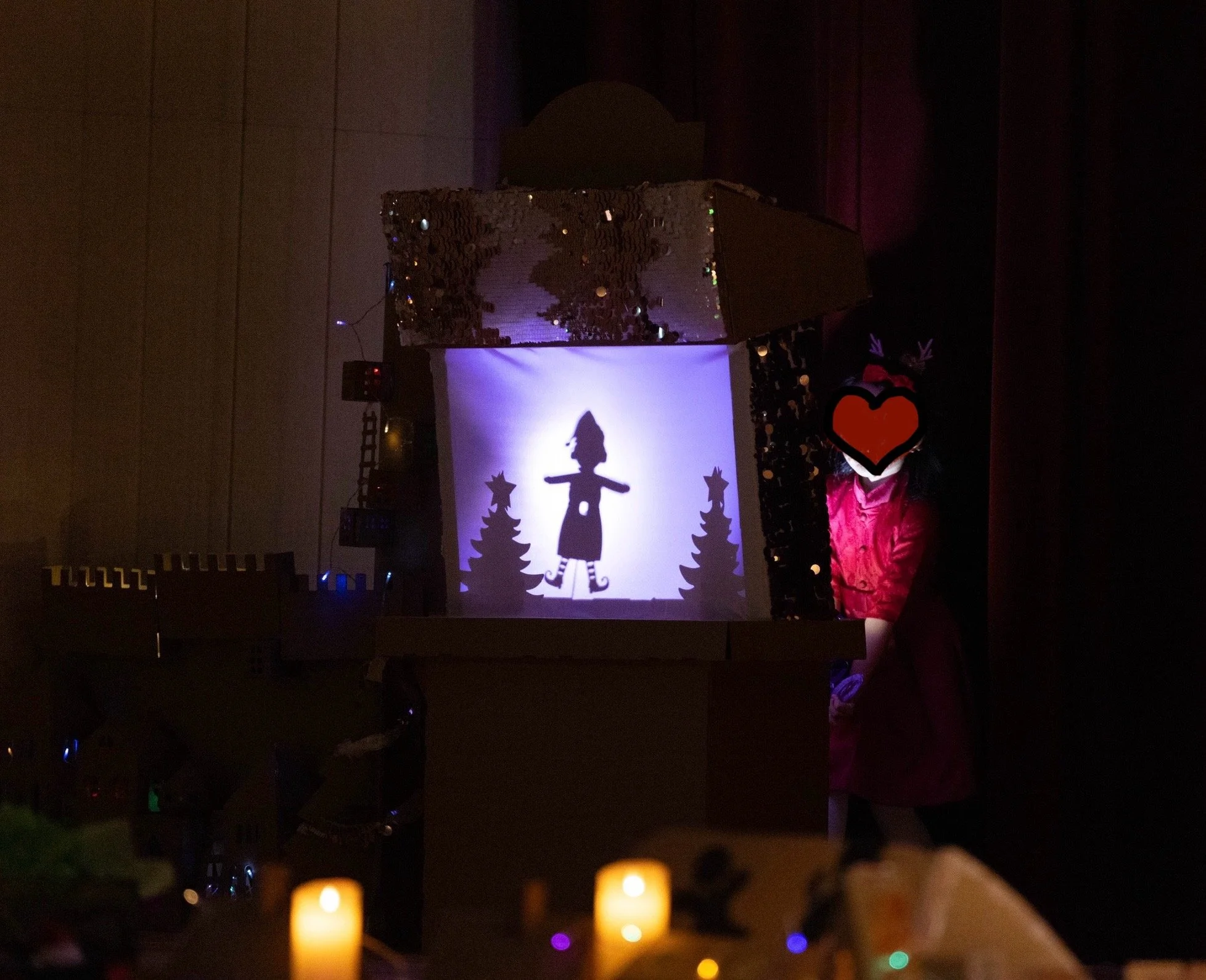
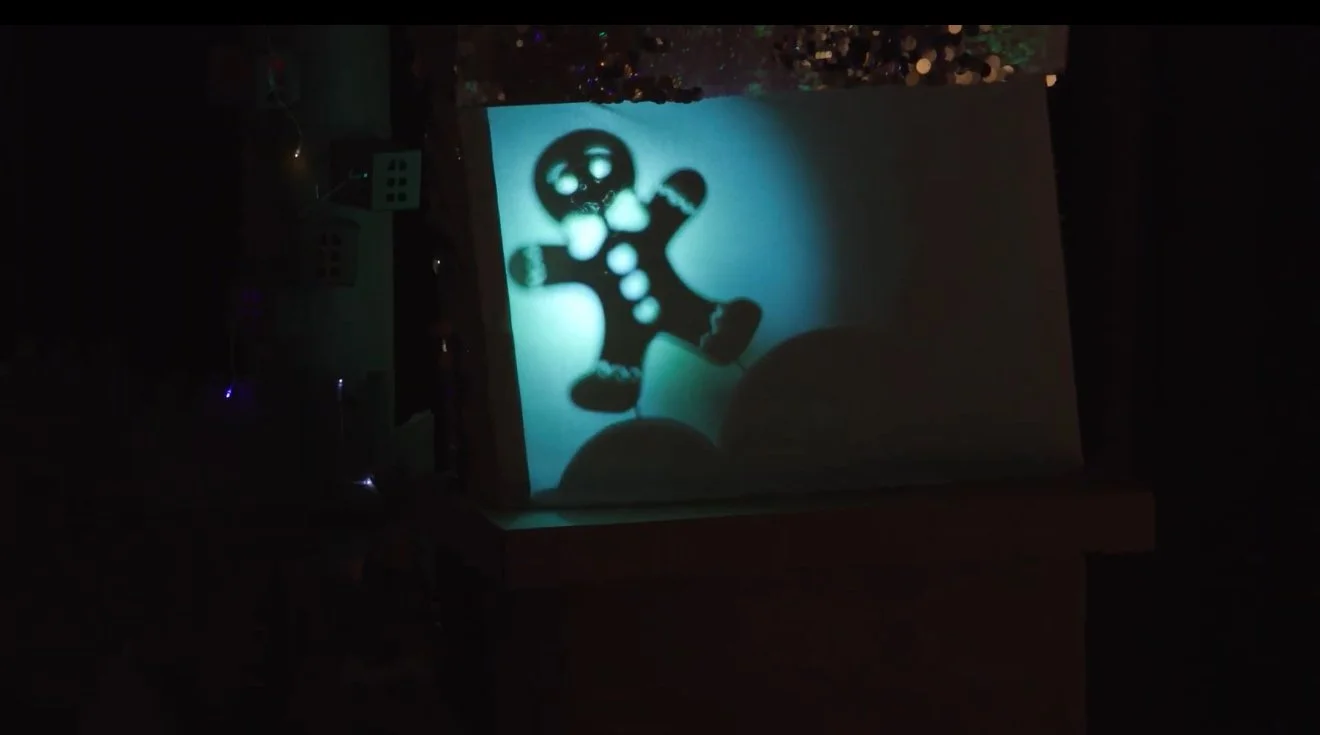
I initiated design-thinking projects like shadow puppetry, where students created characters that were fabricated using advanced tech tools.
I also introduced AI-enhanced design methods: Year 1 students’ artwork became animated backdrops. In 2025, I partnered with the Tech and Art departments to have a professional animator bring Year 1 artwork to life for the Christmas show.
I’ve also aligned our character choices with STEM values to celebrate girls in innovation-focused roles.
Outstanding Primary Performing Arts Programme
This video highlights the transformation of Victoria Shanghai Academy’s primary arts programme—a journey we’ve been proud to shape through our creative collaboration, leadership and innovative teaching.
Inclusive Directing, Transformative Theatre
Inclusion as Practice, Not Policy
Radical inclusivity means creating roles that reflect the unique strengths of every student in our community. It means EAL students finding confidence through performance, young learners taking brave first steps on stage, and advanced students refining their craft all within spaces where creativity, collaboration, and personal growth are non-negotiable. Through Universal Design for Learning, I continuously expand my capacity to reach every learner.
I have had the privilege of directing students across a wide spectrum of ages, abilities and backgrounds—from young learners taking their first steps on stage, to English as an Additional Language (EAL) students finding confidence through performance, to A‑Level candidates refining their craft at an advanced level. My approach is always inclusive and adaptive, ensuring that every student, regardless of their starting point, feels supported, challenged and inspired. Whether guiding a large ensemble or mentoring individuals, I create rehearsal spaces where creativity, collaboration and personal growth are at the heart of the process.
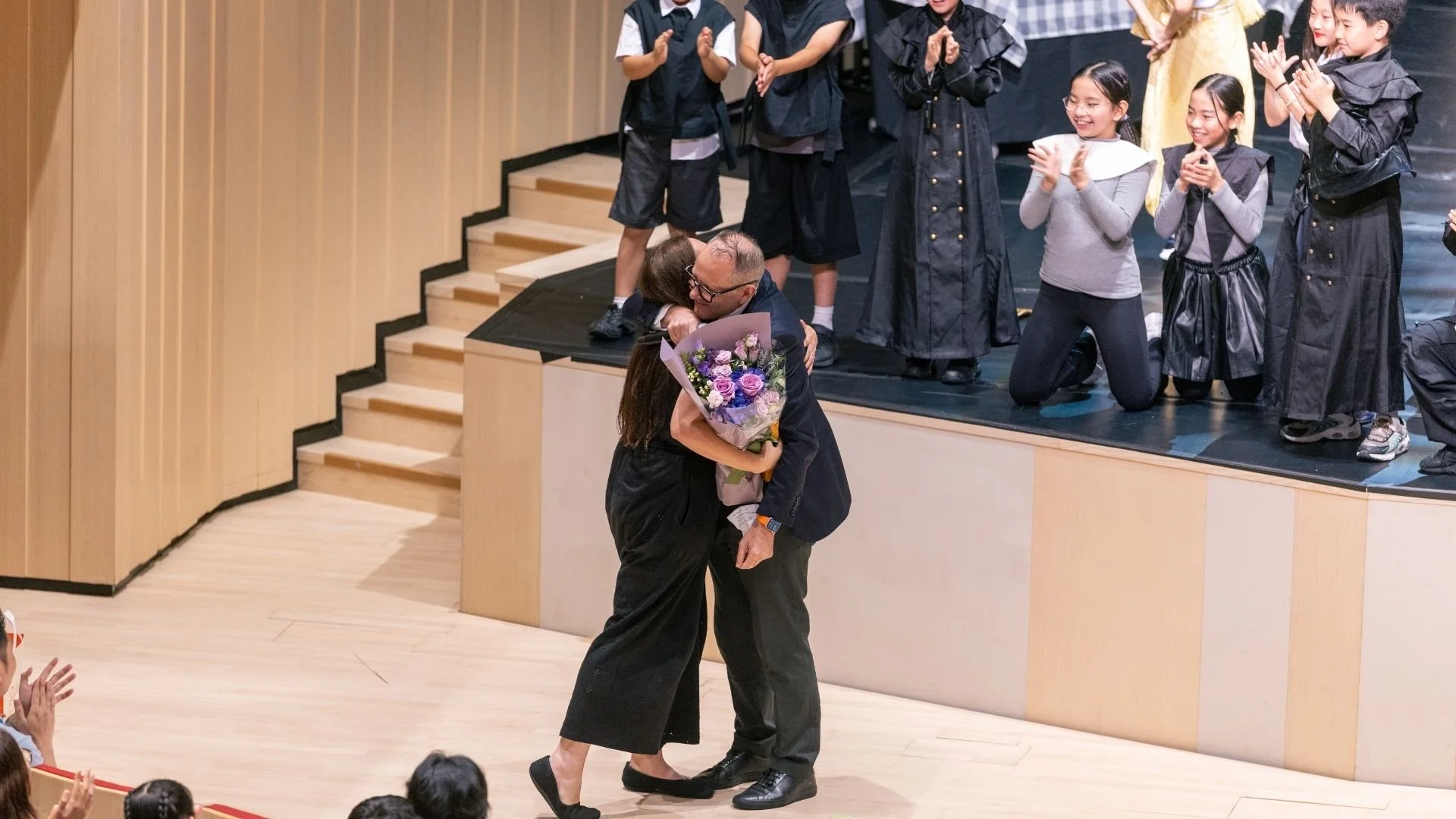
I directed Get-in-Touch, an original jukebox musical celebrating VSA’s 20th Anniversary, which introduced actor-musicianship to VSA. Chinese instrumentalists performed alongside Western ensembles, creating a rich, inclusive soundscape. With my colleagues’ support, I’ve championed radical inclusivity, creating roles that reflect the unique strengths of our community.
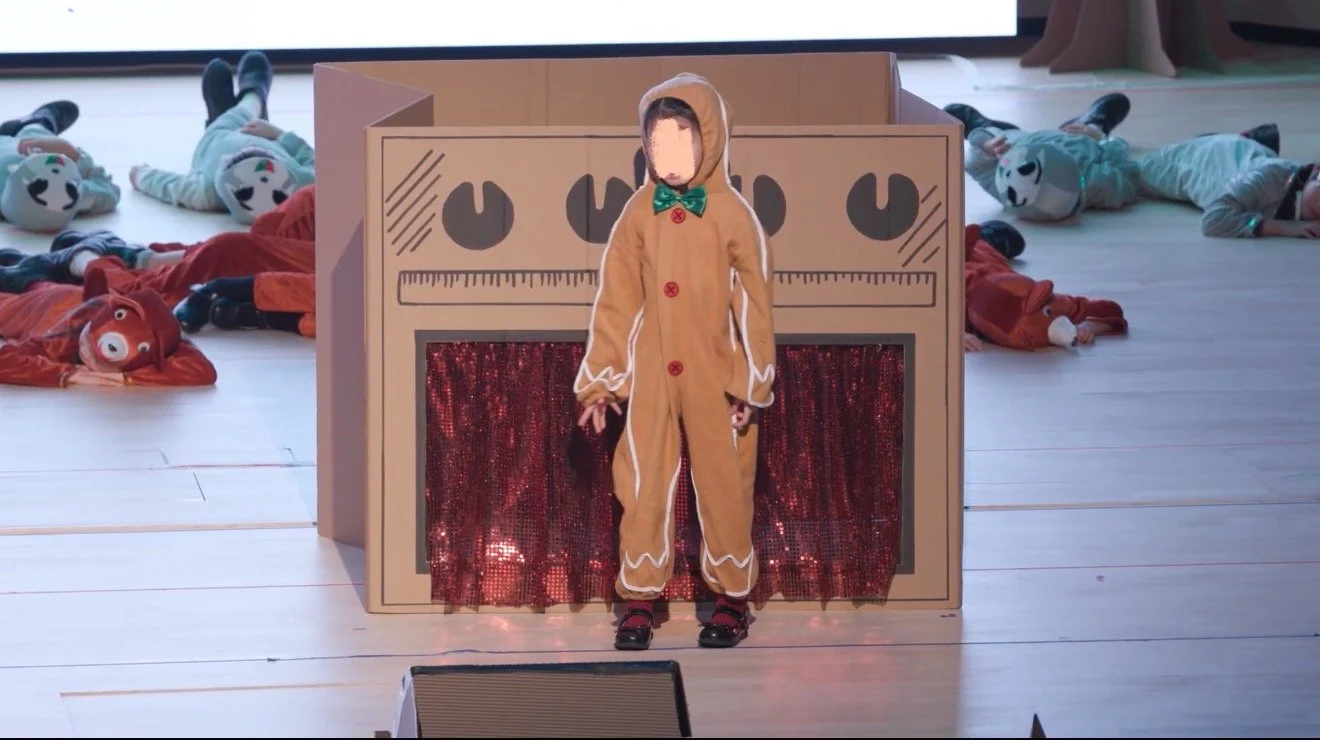
I have directed Year 1 Christmas productions involving over 200 students, an undertaking that demands meticulous organisation and close collaboration with teachers to ensure every child has a meaningful role on stage.




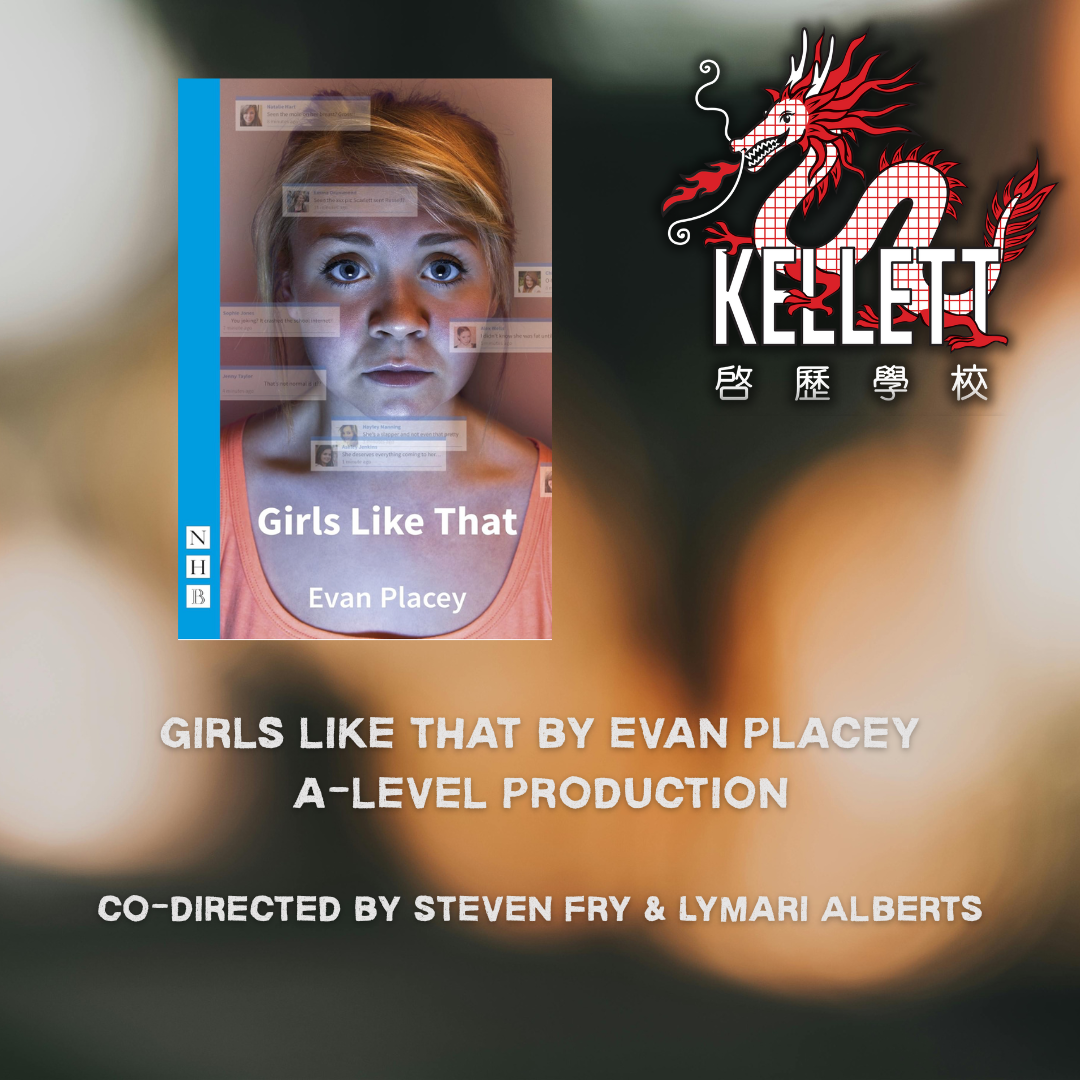
From Concept to Construction: Design, Fabrication & Tech-Enhanced Storytelling
Learning Through Making
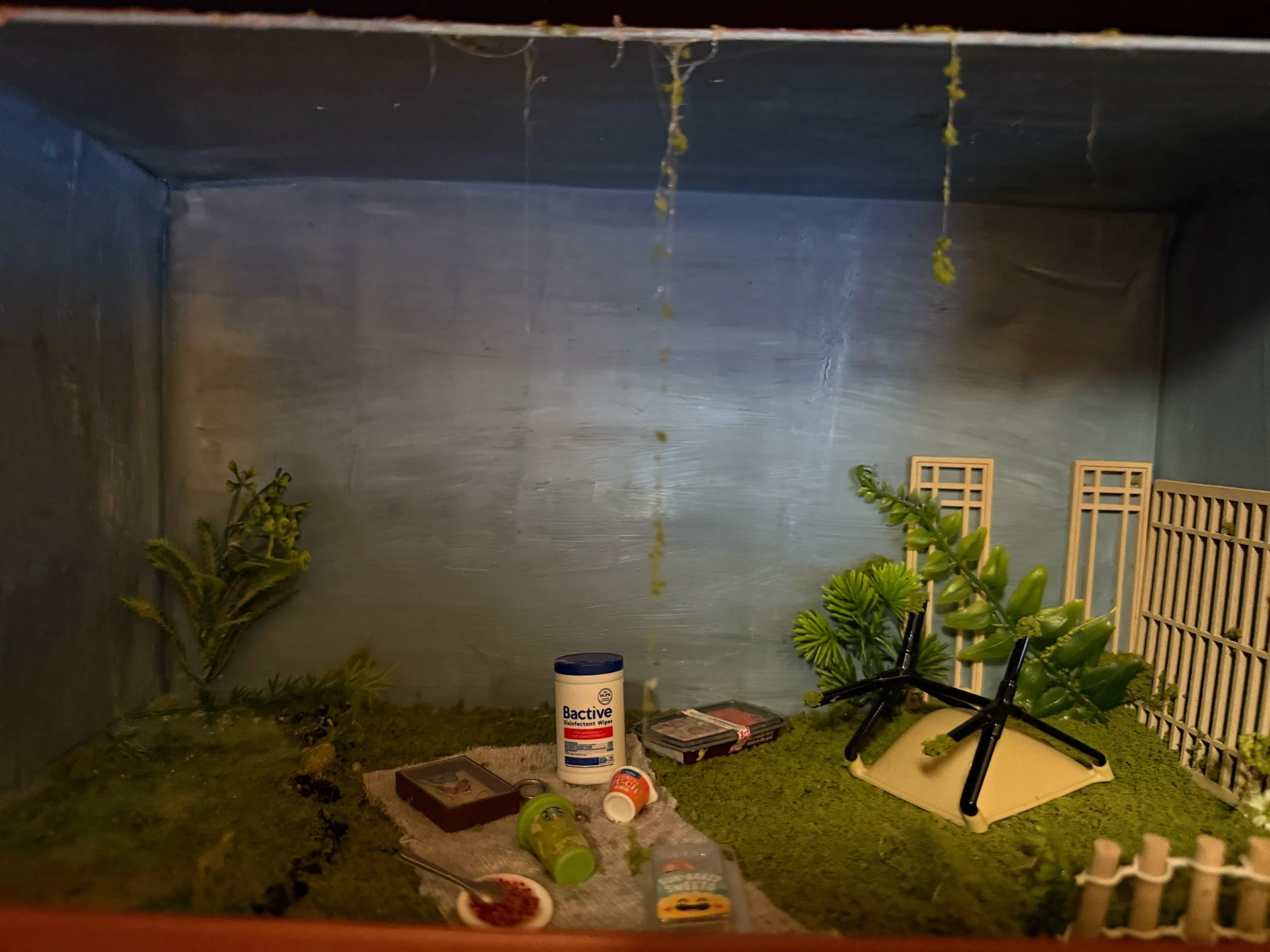
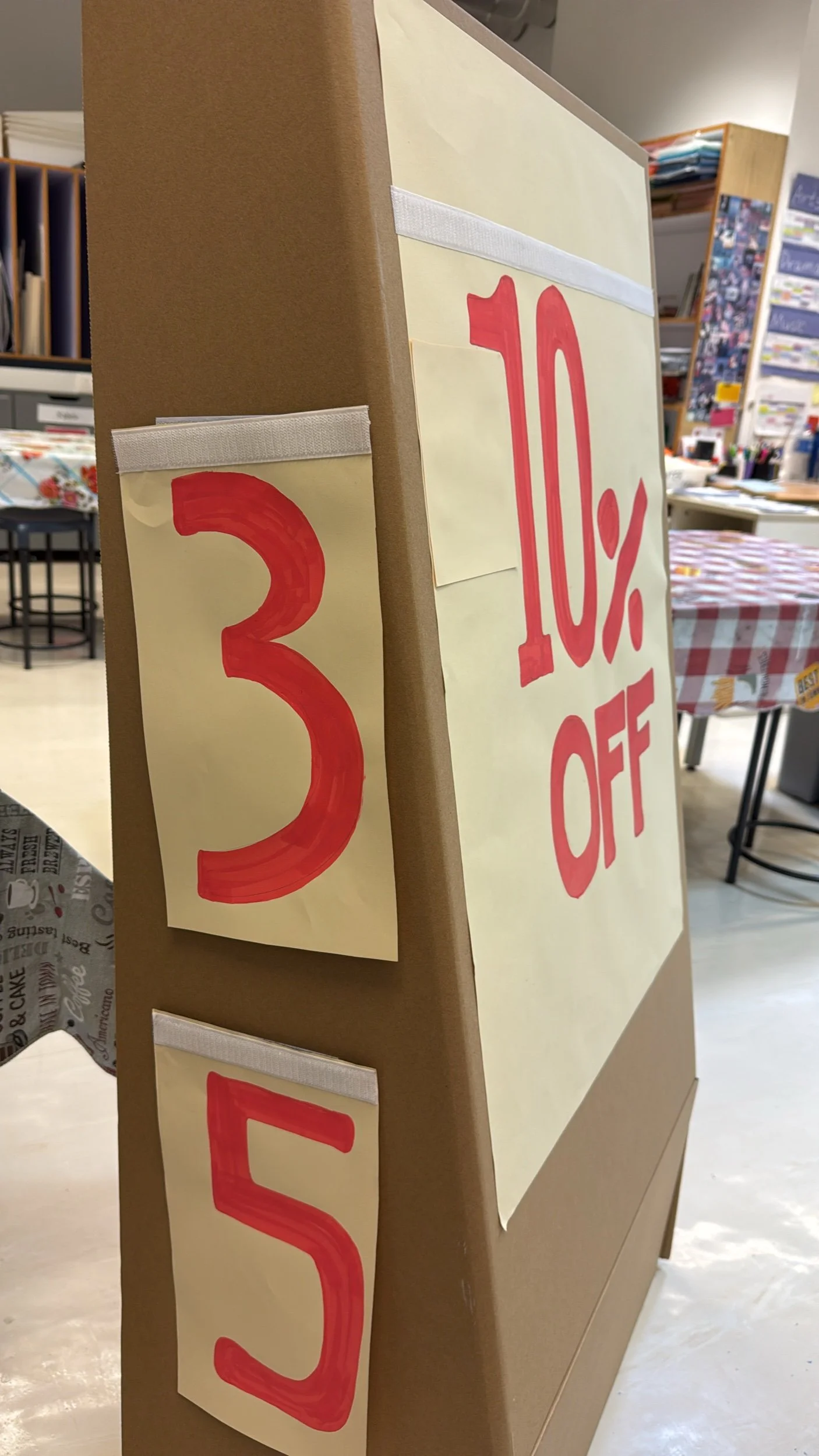
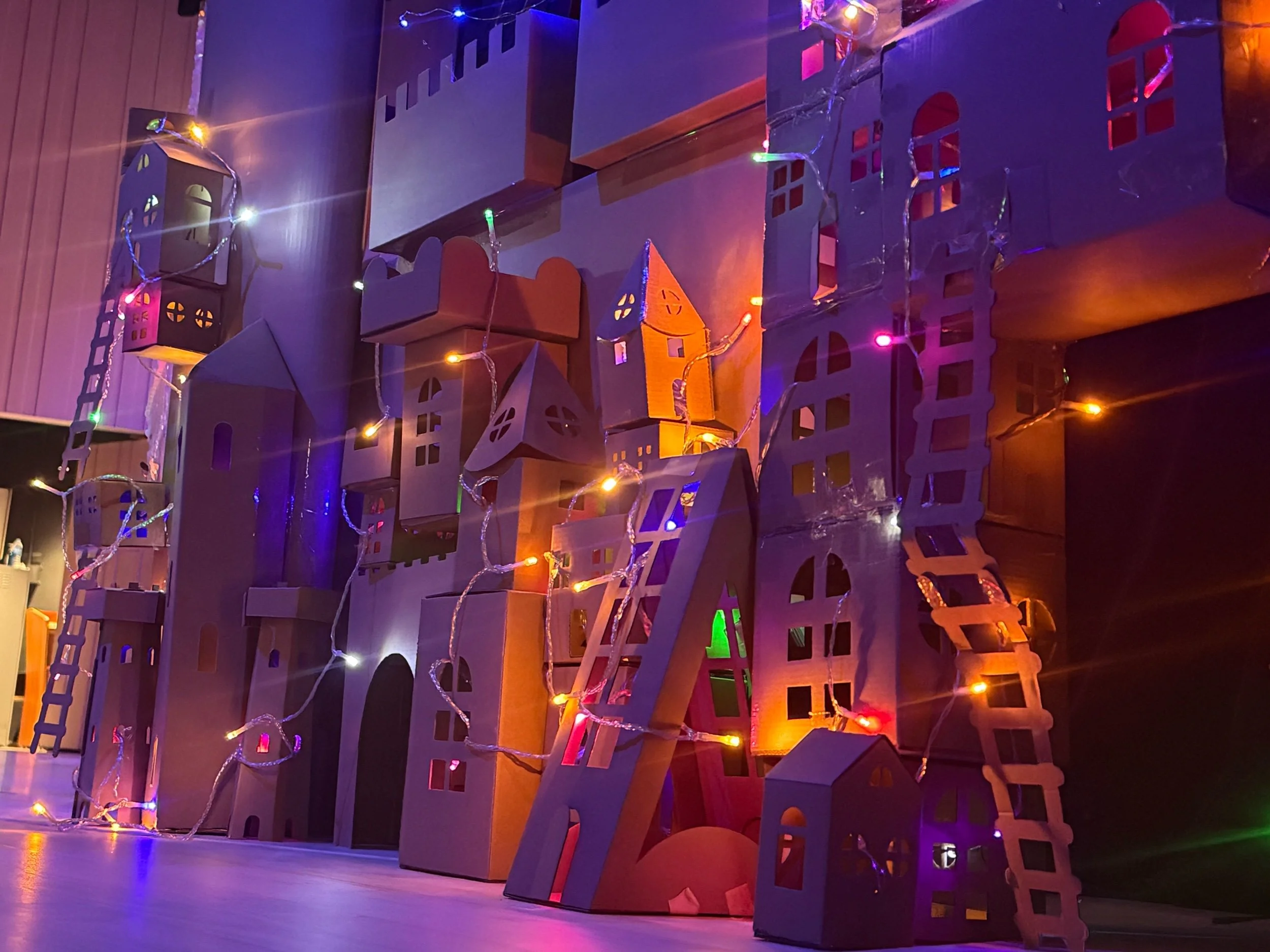
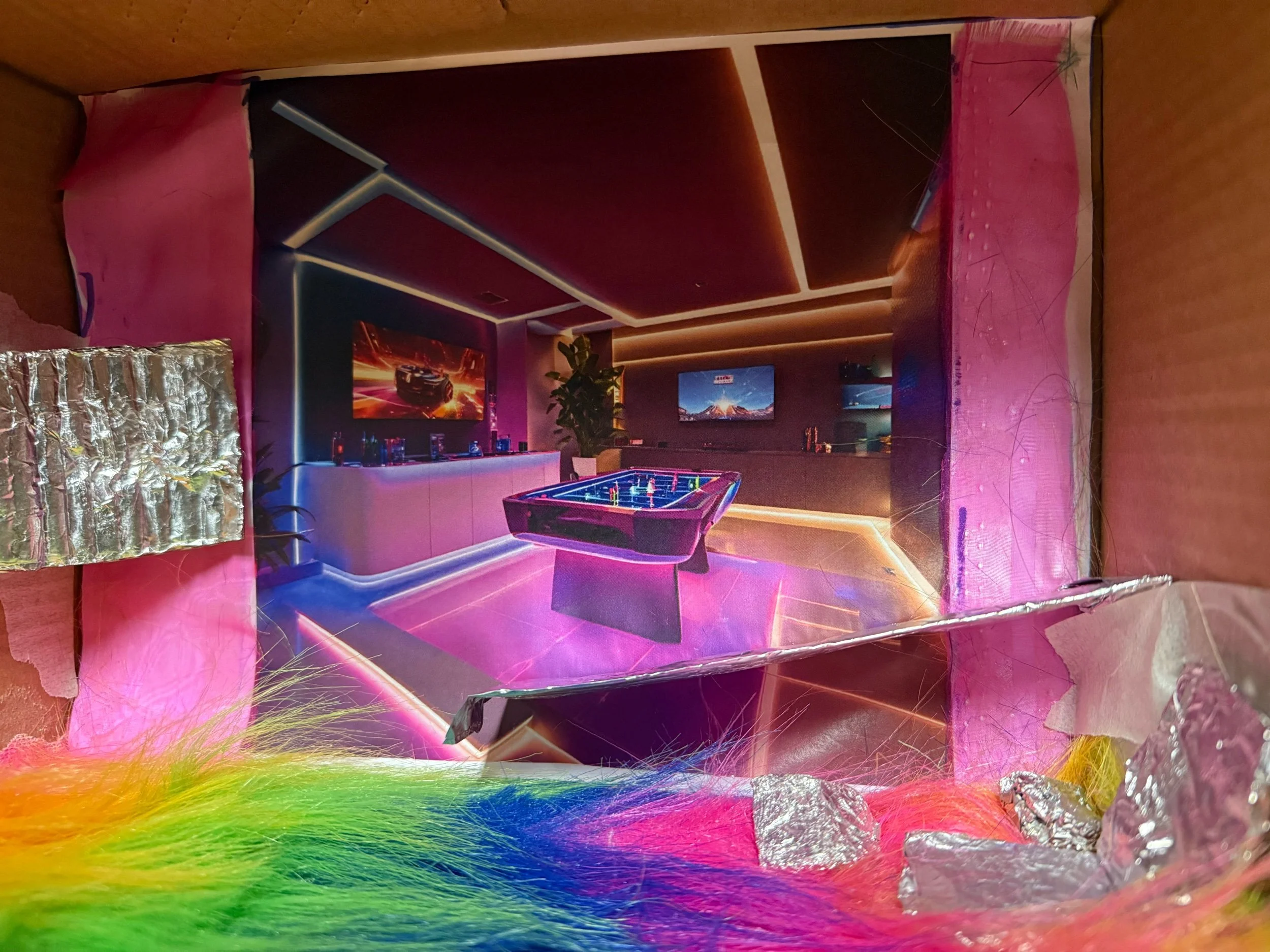
I specialise in guiding students through the full creative arc from concept to construction by integrating set design, puppetry, and technology into the theatre-making process. These projects often involve collaboration with tech departments, where students use digital fabrication tools to bring their visions to life. This approach fosters design thinking, artistic autonomy, and interdisciplinary learning, skills that align powerfully with the DP Theatre curriculum and prepare students to innovate across artistic and academic domains.
Whether students are building immersive sets, crafting shadow puppets, or designing animated backdrops, I help them transform ideas into tangible, theatrical experiences.


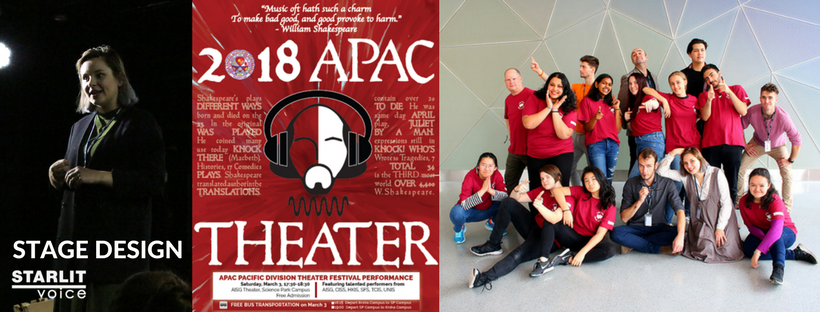


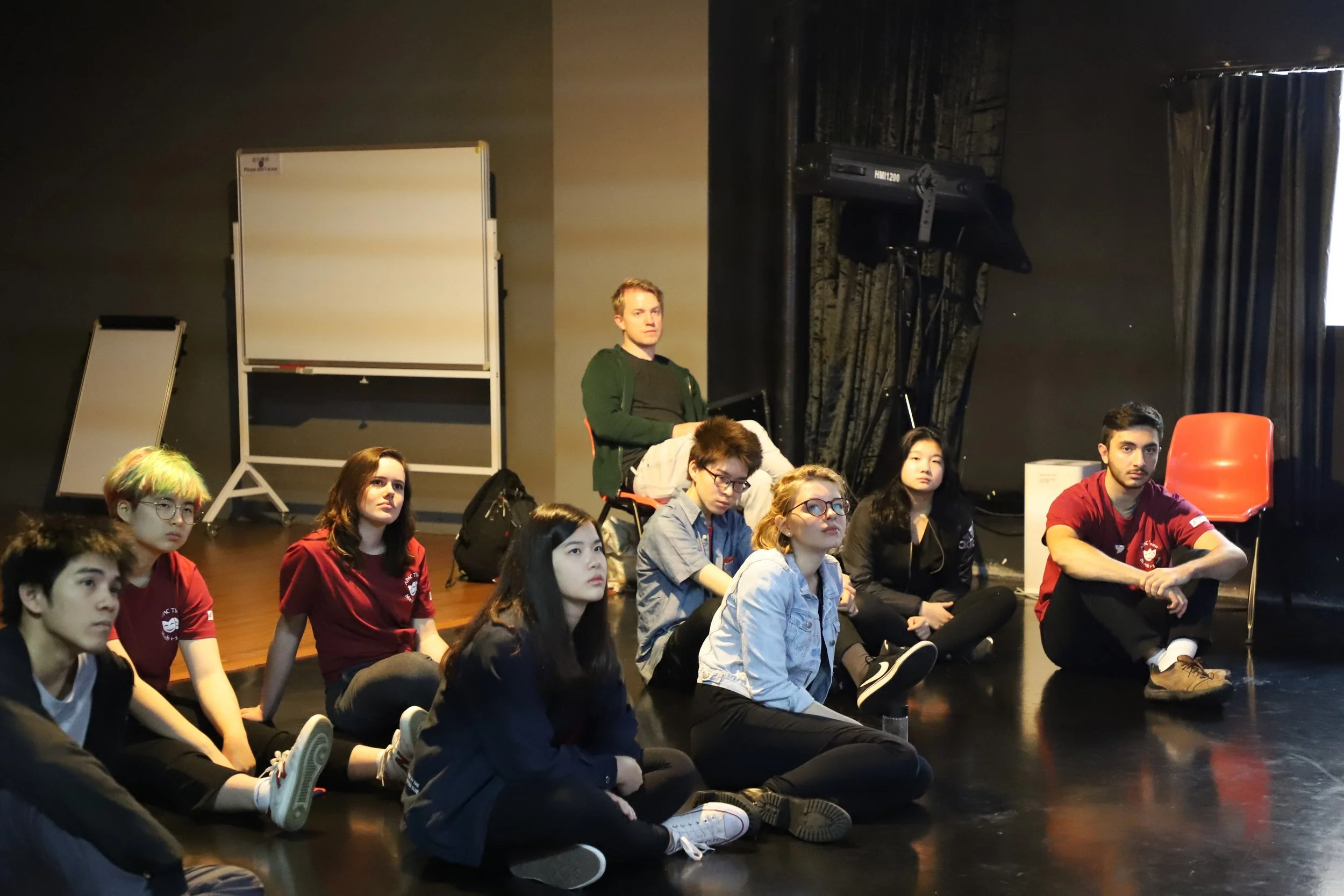

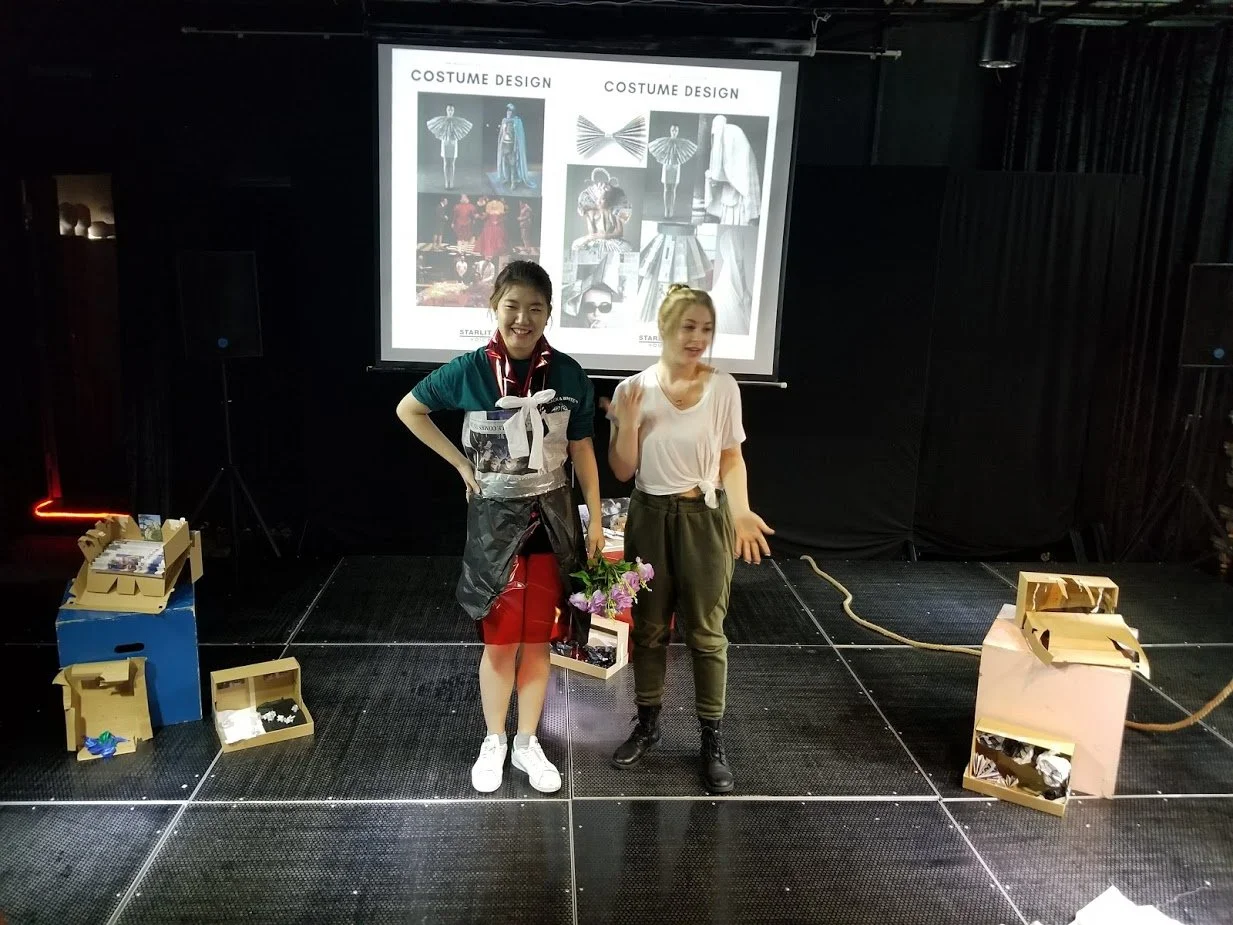
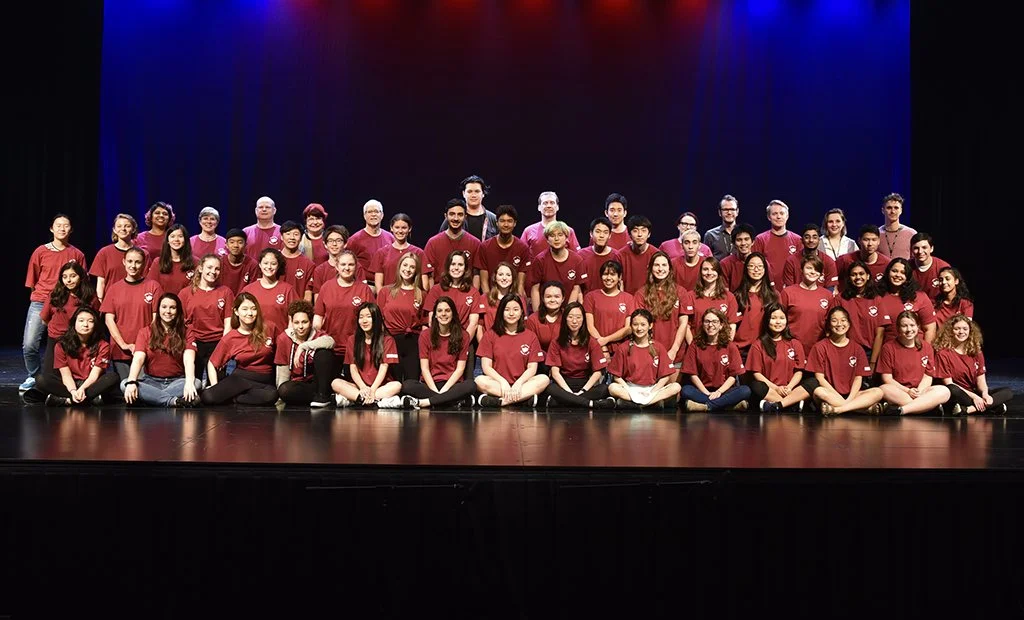

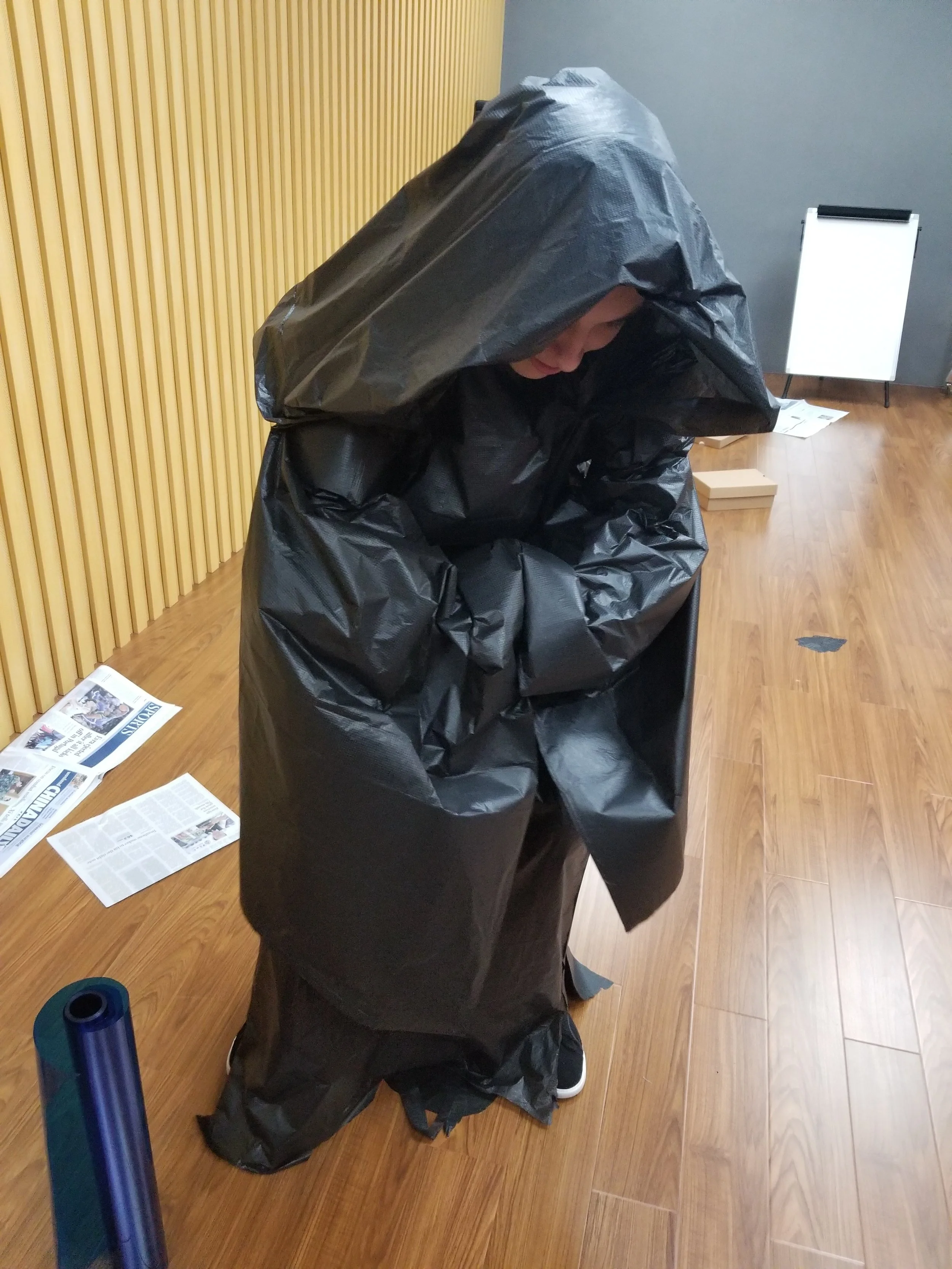
I served as the set design specialist at the AISL APAC Theatre Festival in 2018, where I facilitated hands‑on workshops guiding students in creative and practical approaches to stagecraft.






Fostering community through the arts
Community Through Collaboration
Theatre-making is inherently collaborative, and I extend this principle beyond the rehearsal room. By partnering across departments, including technology, art, music, and STEM educators, I create interdisciplinary learning experiences that mirror professional practice and prepare students to innovate across artistic and academic domains. When families, staff, and students build sets together or contribute to productions, we foster shared ownership and creative unity, strengthening our entire school community.
In my first year, I led the set and costume design for Seusical JR, inviting students, staff, and families to contribute. This school-wide collaboration set the tone for a culture of shared ownership and creative unity. My leadership has been intentional, documented, and impactful, driving innovation, inclusion, and community connection through the arts.
Every Unit, Every Learner: Expanding the Boundaries of Inquiry
Inquiry-based Theatre Education & UDL (Universal Design for Learning)

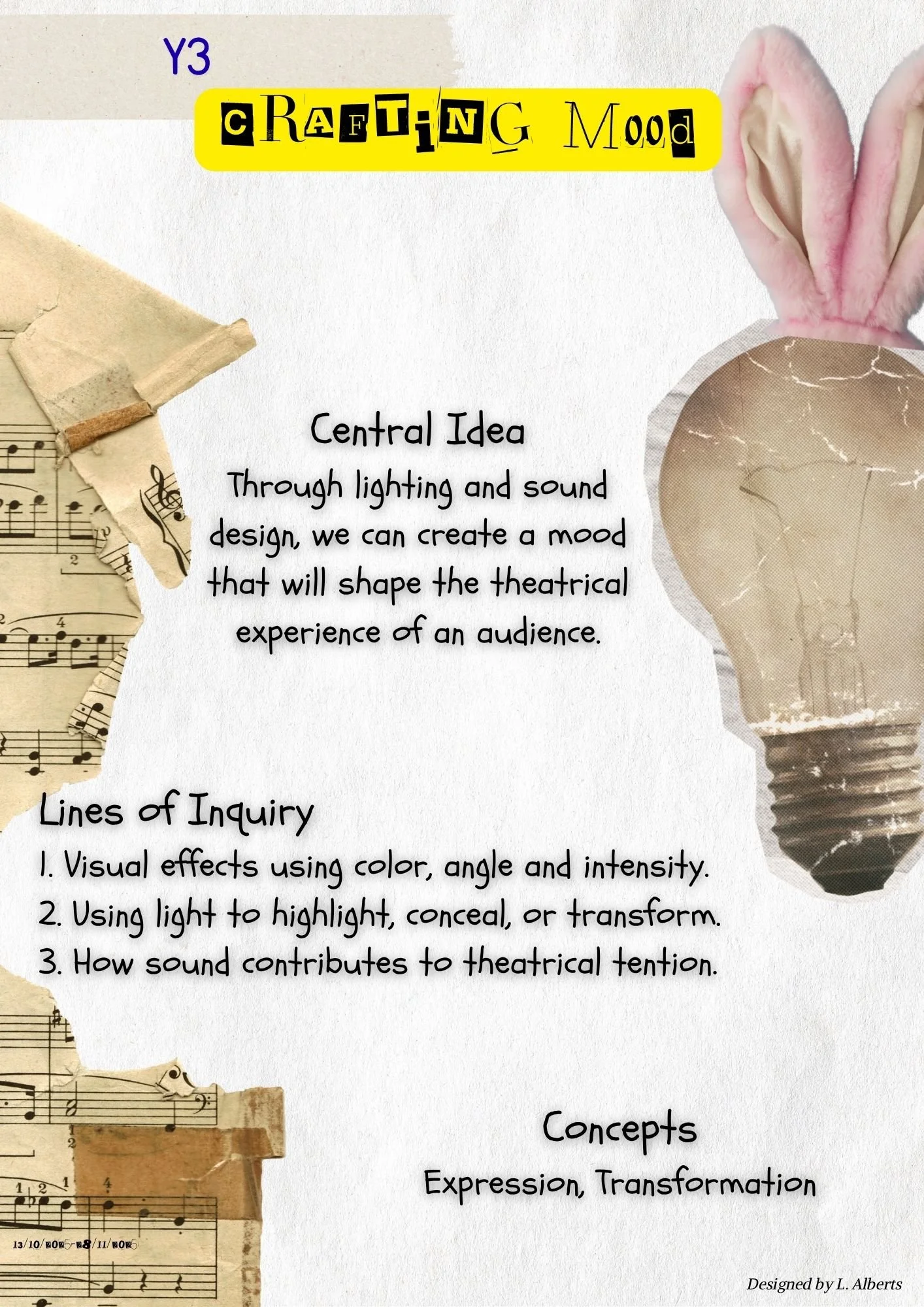

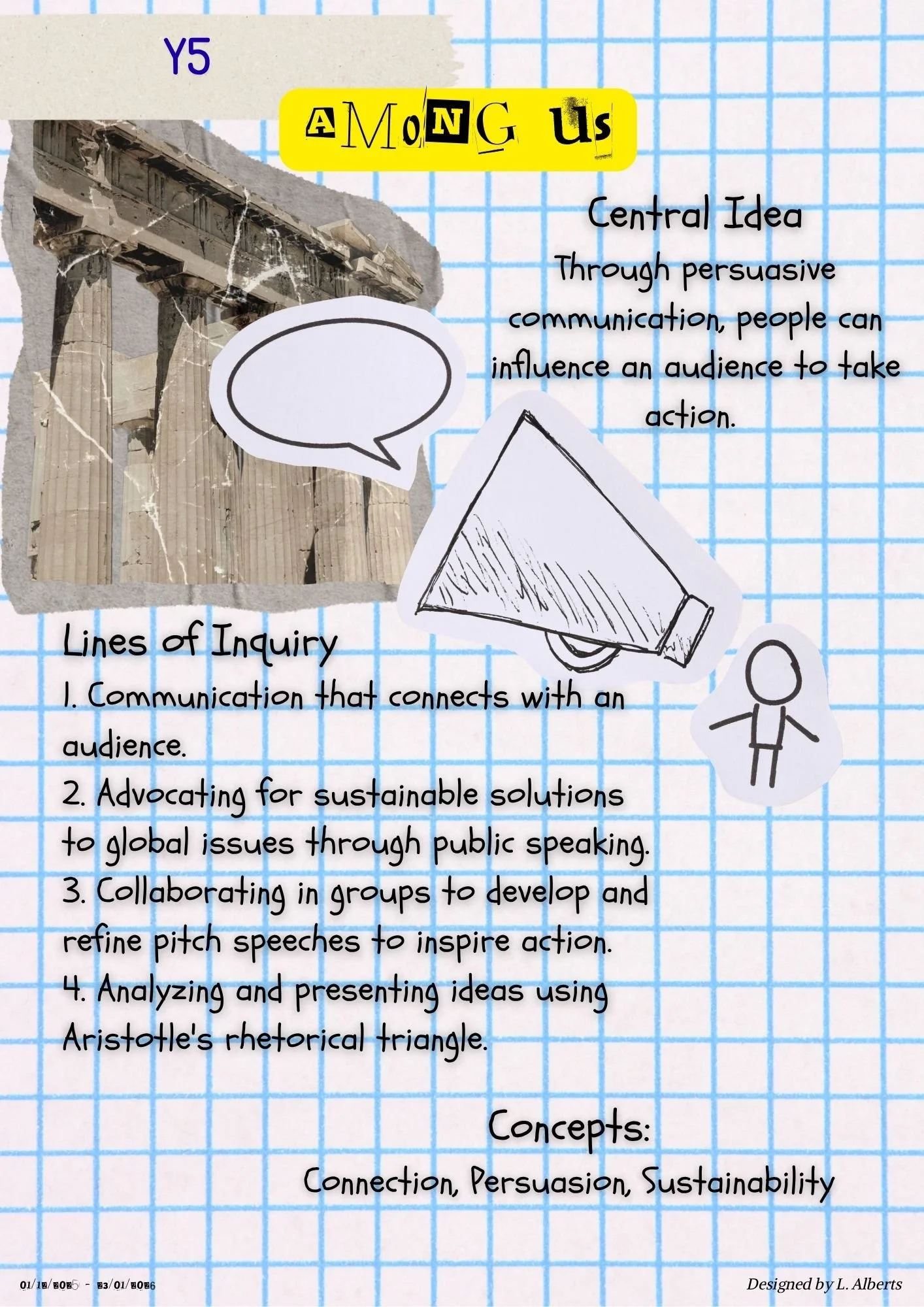
I approach every unit through inquiry-based learning, challenging students to ask questions, think critically, and connect their theatrical exploration to broader concepts and real-world contexts. This isn't learning about theatre; it's learning through theatre, using the art form as a lens to understand ourselves, our communities, and the world around us.
While the PYP Arts requirement was to link one unit to a Unit of Inquiry (UOI), I’ve gone further—connecting every unit through inquiry-based learning. I’ve shared this framework with my performing arts colleagues, who have adopted it in their own classes. This has created a ripple effect of innovation across our drama department, strengthening our shared pedagogical approach.
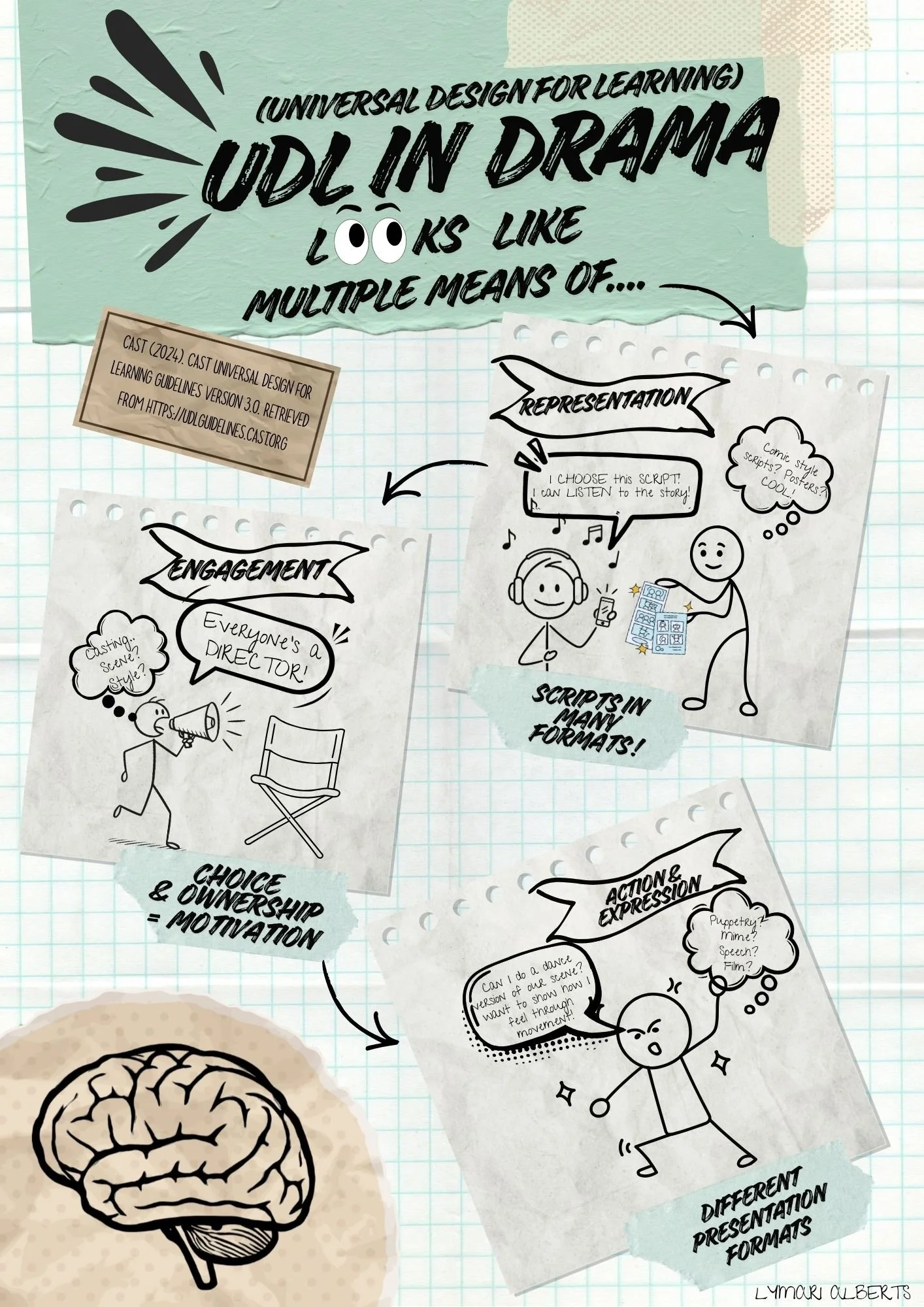
I am currently exploring Universal Design for Learning (UDL). In just a few months, it has completely transformed my pedagogy—opening up new ways to reach every learner, with so much more still to discover and apply.
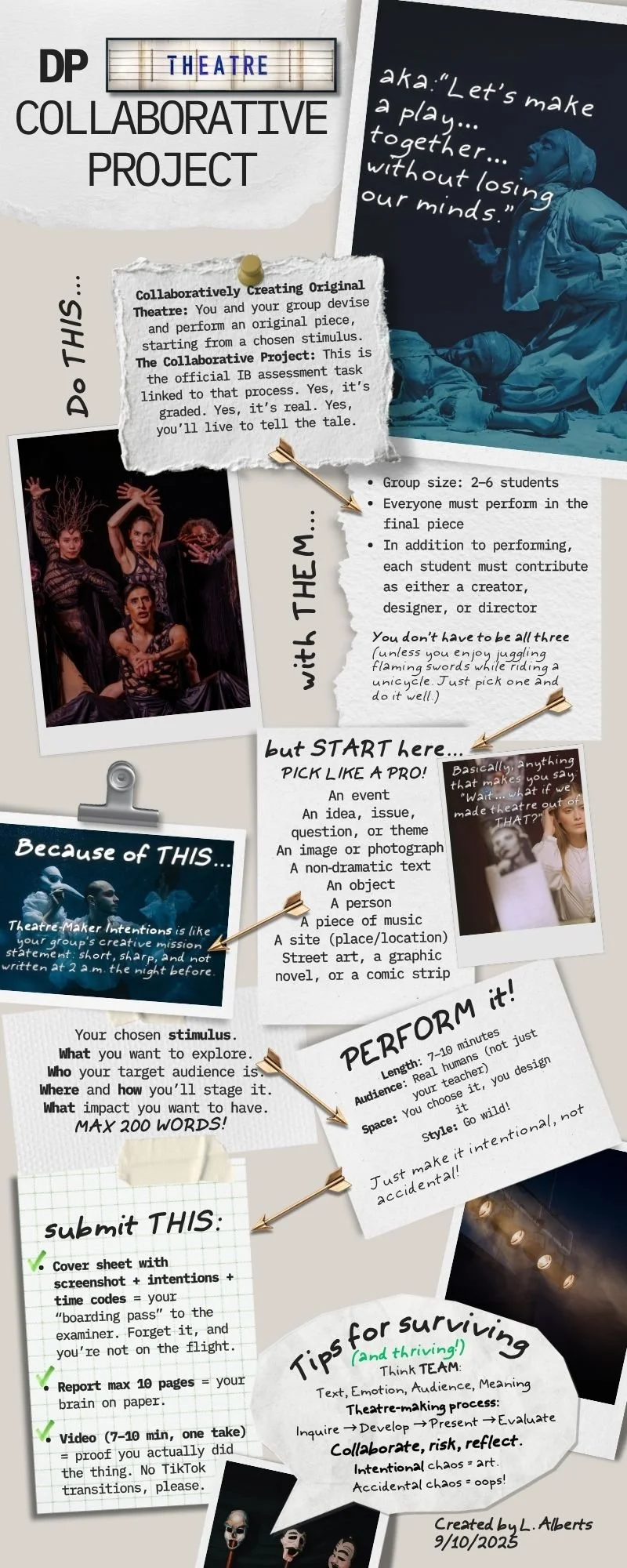
theatre-making: taught by an active practitioner
Professional Practice Informs Pedagogy
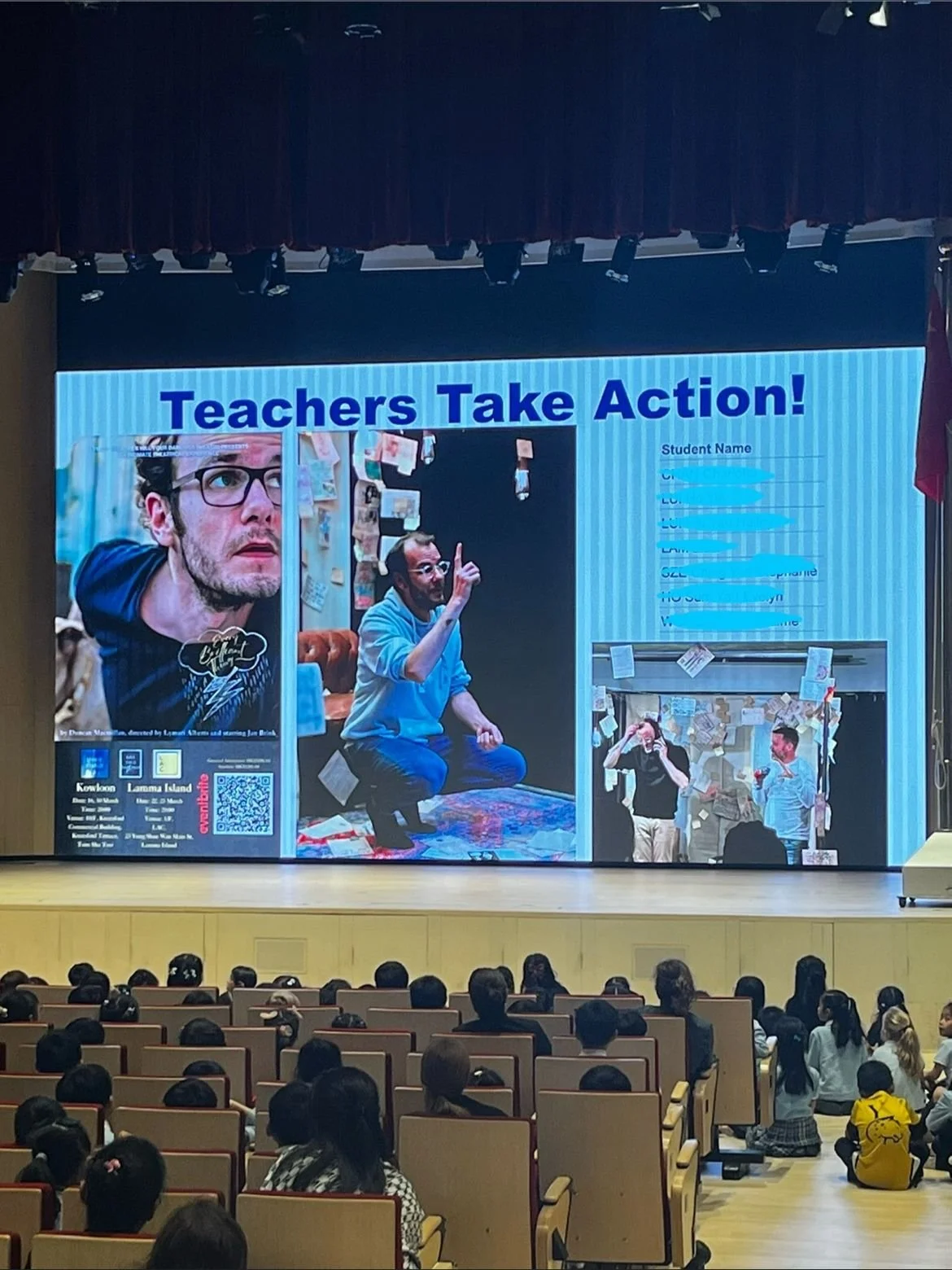
As an active theatre practitioner, I bring real-world professional insight into the classroom. My students learn from someone who doesn't just teach theatre but makes it, someone who understands the discipline's demands, possibilities, and transformative potential from lived experience. I believe the best way to learn theatre is by doing it. My approach to teaching theatre-making centres on giving students practical, real-world experiences. At Invicta, a drama programme for teens led by Jan Brink, I facilitated specialised workshops on producing and marketing. Students stepped into the roles of theatre producers, developing promotional strategies, budgeting, and planning logistics. It was a dynamic, hands-on experience that gave them a taste of the professional theatre world and empowered them to see themselves as creators.